House Wires Buying Guide : Step-by-Step Guide for Safe Home Wiring
Choosing the right house wires is undoubtedly one of the most vital decisions when building a new house or renovating an old one. Safe wires protect the users, reduce the loss of electrical energy, and also don't let the electrical devices get damaged. Below is a comprehensive guide that informs you about everything that needs to be checked before purchasing house wires.
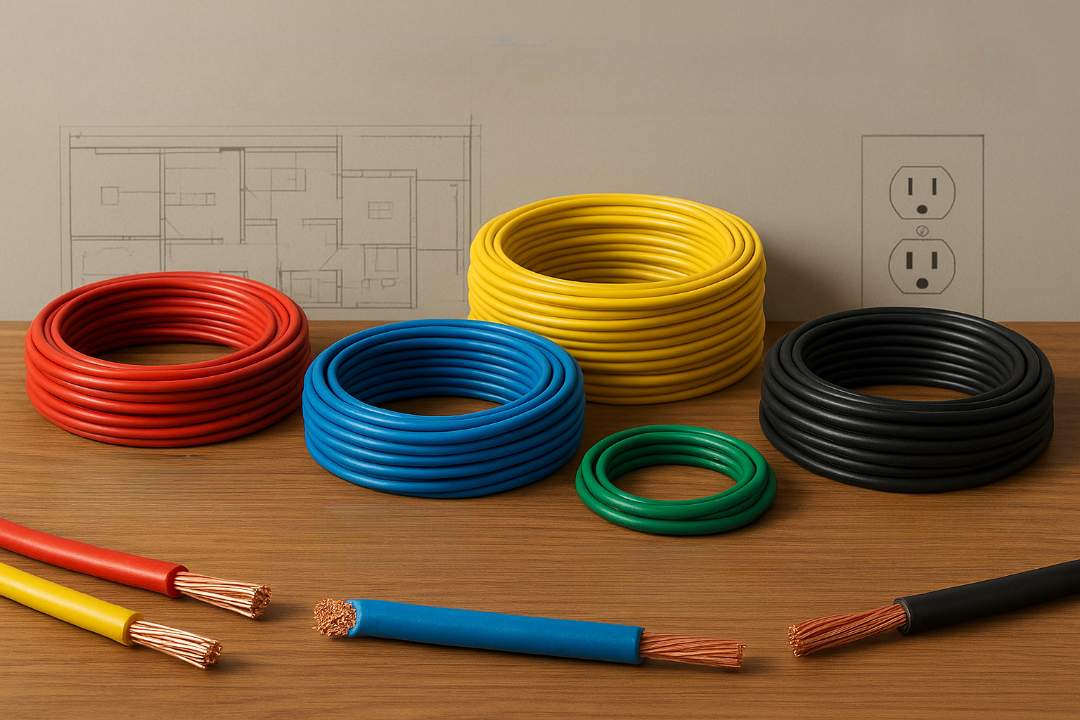
Step 1: Understand Why the Right Wire Matters
The first thing to understand is that the electrical safety of your whole house depends on the wires that you use. Wires that are of low quality or that are smaller than needed for the load can become hot very quickly, will cause voltage drops, and their fire risk will increase. High-quality wires will maintain the system's stability, be able to safely carry the current, and will avoid you having to do an expensive rewiring later on.
This understanding will guide you to make better choices at the following stages.
Step 2: Decide on Single-Core or Multi-Core Wires
The second step involves choosing the wire configuration.
- Single-core wires: One solid conductor, generally used in fixed installations.
- Multi-core wires: Several copper strands twisted together, flexible and thus perfect for the wiring of homes.
Multi-strand copper wires are what the majority of households have, as they are both more user-friendly in terms of installation and longer-lasting.
Step 3: Select the Right Insulation Type (FR, FRLS, HRFR)
Then, pick out the insulation based on what kind of protection you will need:
- FR (Flame Retardant): Flam spread is prevented; thus, it is a good choice for the wiring of a normal household.
- FRLS (Flame Retardant Low Smoke): Produces low smoke and very few toxic gases when burning; hence, it is the most appropriate for a closed house.
- HRFR (Heat Resistant Flame Retardant): Can work with higher temperatures and heavy loads.
It is advisable to use insulation materials that can meet the load requirements of your home and give you peace of mind in terms of safety.
Step 4: Prefer Copper Over Aluminium
Now decide the conductor type.
- Copper wires: Superior conductivity, long life, low heat, and increased safety.
- Aluminium wires: Less expensive but of lower safety and durability.
If the installation is at home, copper wires must be your first option to have the highest performance and safety.
Step 5: Wire Gauge (Thickness) Selection
The capacity of a wire to carry a load is determined by its thickness. Choosing the wrong size may cause the device to heat up or the energy to be lost. Below is a very simple guide for you to figure out the proper wire size:
- 1-1.5 sq mm → Lighting circuits
- 1.5 sq mm → Ceiling fans
- 2.5 sq mm → TV, computers, sockets
- 4 sq mm → High-load kitchen outlets
- 6 sq mm → AC, geyser, heater
- 10 sq mm+ → Main supply line
Using the right gauge helps maintain a stable voltage and is a sure way to avoid the risk of fires.
Step 6: Find Out if Copper Is 99.97% Pure
One should find out whether the product is made of Electrolytic Grade Copper (ETP) with a purity of 99.97%. Here are some of the characteristics of pure copper:
- higher conductivity
- lower heat generation
- longer lifespan
- reduced electricity bills
Avoid recycled or impure copper wires-they compromise safety and durability.
Step 7: Pick the Proper Insulation Material (PVC or XLPE)
- PVC insulation: Nice and affordable for normal wiring.
- XLPE insulation: Has a higher resistance to heat and is more durable; perfect for places with high power consumption.
With this step, you are certain your wiring will be safe even if there is a hard situation.
Step 8: Check Essential Certifications
Before purchasing, confirm the wire meets safety standards like:
- ISI (BIS certification)
- RoHS compliance
- ISO certification
- CPRI testing
Only certified wires are tested thoroughly for long life, fire resistance, and electrical performance.
Step 9: Confirm Current-Carrying Capability
Each wire has a limit imposed upon it, according to which the wire can carry only a certain amount of current.
In case the load is higher than the capacity, the wire gets hot and the insulation can even catch fire.
Capacity charts are given by manufacturers-compare your devices and the load with the appropriate gauge of wire.
Doing this step will be instrumental in avoiding the situations of voltage drops and wiring that is going to fail.
Step 10: Check Length, Packaging & Authenticity
Make sure you're getting genuine, full-length wires. Always check:
- Meter markings on the wire
- Brand hologram
- Sealed packaging
- Uniform thickness and flexibility
Many fake or cheap products cut short on length and quality, so verify before buying.
FAQs
Conclusion
Choosing the correct house wire is technically just one aspect of the decision, but it is essentially a safety investment of your home over the next few years. Selecting wires that have great wear-resistance, are highly fire-resistant, have high-quality pure copper, and are fault-resistant can be conveniently done by following these step-by-step instructions. In any case, it is trustworthy and safe copper wires with proper certification that guarantee tranquility when it comes to safety in the electrical system making it a long-term solution for the next couple of years whether it is a newly built home or a rewiring project.