Why You Need to Understand Armoured vs Unarmoured Cables for Outdoor Setup
Choosing the Proper Power Cable to Help Make Your Outdoor Setup Safe and Long Lasting
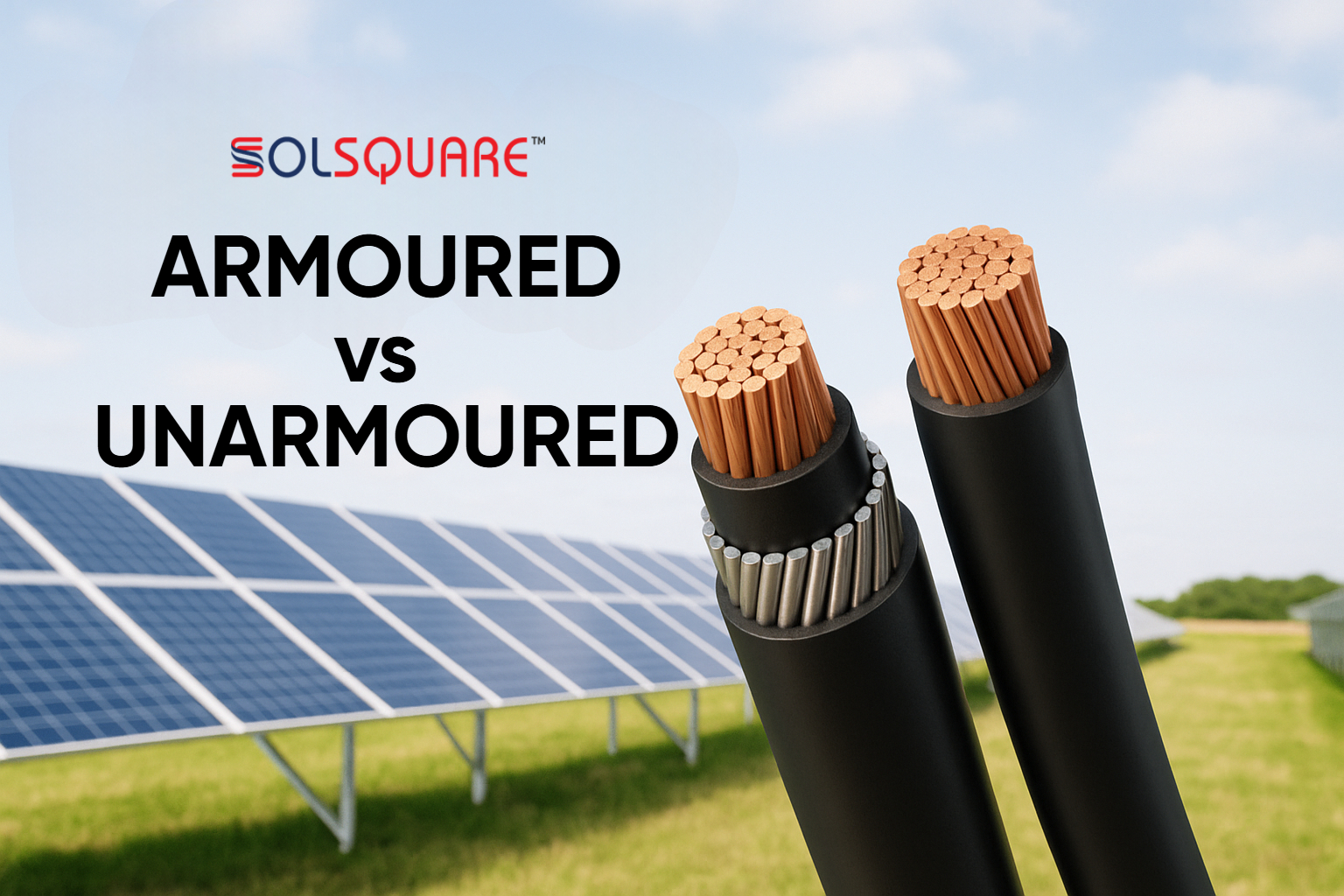
When putting together just about any outdoor electrical application, whether a garden light, wiring up a rooftop solar install or running a line across a construction site, one important factor that is often overlooked is the importance of the power cable you use.
Campers and outdoor conditions are not kind to cables. Cables can be damaged by sunlight, rain, heat/cold, the moisture contained in soil, rodents and accidental digging if not protected. That is why armoured vs unarmoured cables is more involved than most people think.
We will discuss what type of cables exist, where (and where not) to use each type, and how to choose between the two for your home, business, or solar install. And we will try to keep it as uncomplicated and relatable as possible—no engineering degree required.
What Are Armoured Cables?
Armoured cables are like bodyguards for your wiring.They consist of a metallic layer- typically steel wire or steel tape- wrapped around the core of the cable. This metallic sheath will protect the conductors from mechanical force like crushing, cutting, or chewing.
You’ll typically find armoured cables in:
- Underground installations (like wiring under soil or pavement)
- Rooftop solar farms
- Construction zones
- Outdoor generators or temporary power setups
They could be seen as the heavy-duty work boots of the electrical world - they are made to withstand challenging conditions.
Common materials commonly used for armoured:
- Steel Wire Armour (SWA): Generally strong and typically used in low-voltage situations.
- Aluminium Wire Armour (AWA): Lighter and will generally be used in single-core cables.
What are Unarmoured Cables?
Unarmoured cables are simpler. They do not have any metal coating around the inner core, the plastic or rubber outer will generally protect the inner conductors.
They’re best suited for controlled environments where there’s little risk of physical damage. Some common use cases include:
- Indoor electrical panels
- Wiring inside PVC conduits
- Light Duty Solar Inverter Connections
- Temporary installations (such as exhibitions, or pop up shops)
Consider wearing house shoes inside your home and then consider wearing boots and hiking on a trail. An unarmoured cable is fine when you have soft ground, no tough roots, hazards, etc.
Main Differences between Armoured and Unarmoured cables
Let’s detail out the differences in the data or information where you can see them side by side.
Armoured vs. Unarmoured Cable
| Row | Armoured Cable | Unarmoured Cable |
|---|---|---|
| Durability | High - crush resistance and cut resistant, rodent resistant | Moderate - requires conduiting (or protected) |
| Cost | Higher because of added materials / weight | Lower, cheaper for indoor installations |
| Safety | Safer for outdoor / higher risk areas | Safe only in under controlled, protected installations |
| Installation | Heavier, difficult to bend or route | Flexible, easier to handle |
| Maintenance | Low once installed, built to last | Might need a little more inspection or replacement cycle |
When Should You Use Armoured Cables?
- Your cables must be protected from the weather, UV rays, and animals when running from solar panels through the roof or buried in the ground to inverters.
- Construction sites: Armoured cables handle the rough handling, moving equipment, and foot traffic without a hitch.
- Any area with high physical risk: Rodents, vehicle movement, or heavy foot traffic can all damage unprotected cables. Armoured ones survive those threats.
- Underground wiring: It’s almost always safer to go armoured.
When Can You Use Unarmoured Cables?
- Indoor panels or DB boxes: For wiring between electrical distribution boards or inside appliances.
- Conduits or trunking: The conduit does the protecting.
- Short, temporary setups: Exhibitions, workshops or other temporary setups.
- Clean commercial interiors: In many offices, retail shops and enclosed inverter rooms for solar installations the vast majority of applications use unarmoured cables - this agrees with where everything is tidy.
Safety & compliance guidelines
- Follow standards: Look for IS 7098, IS/IEC 60364, IS 1554.
- Never run unarmoured cables outdoors without protection
- Use conduits or trays whenever possible
- Label your cables
- Call a licensed electrician
FAQs
Conclusion
When in doubt about outdoor electrical projects, using the correct cable will ensure you will not be in the wrong position. Armoured cables offer the best peace of mind through rugged conditions while also, unarmoured will work just as well when properly protected and installed.
So, remember this is the simple takeaway:
👉 If the environment is unpredictable, possibly armoured.
👉 If you are wired indoors or in protective conduit, unarmoured should do.
Do not set yourself up for failure. Remember your cable choice is not just about having the power, but also comforting and protecting your investment to ensure no future issues.