Advantages of Using Copper Cables in Electrical Systems
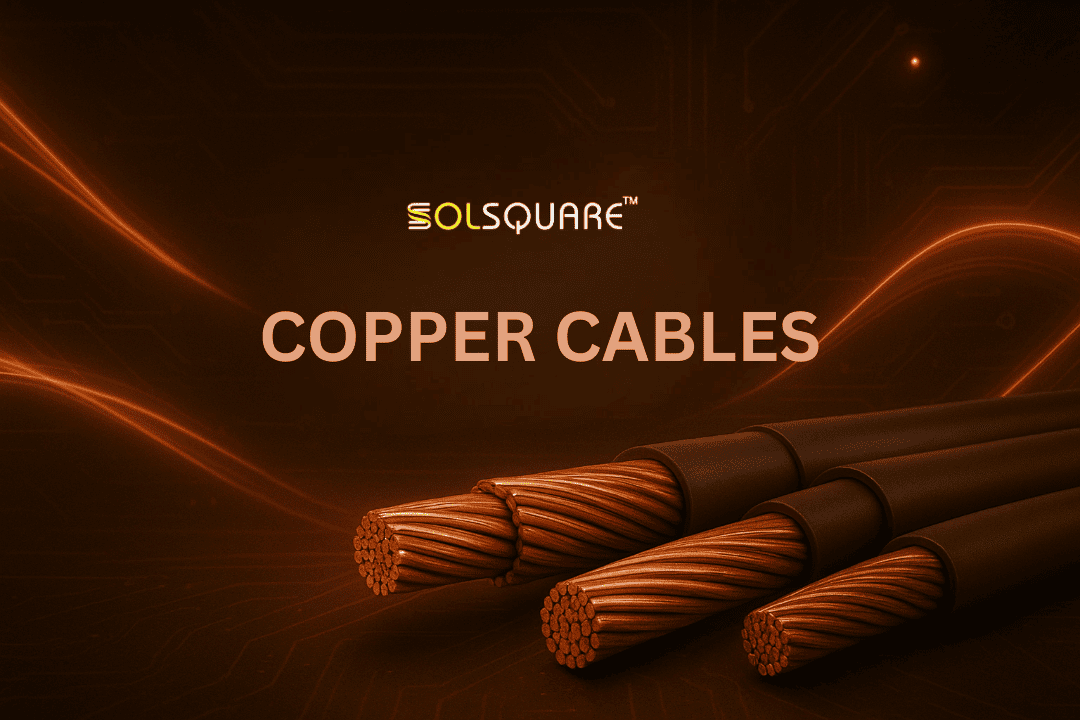
When designing electrical systems that are safe, efficient, and long-lasting, there are many choices to make. One of the most important choices is wiring material. For decades now, copper and aluminum wiring have made up the majority of electrical wiring utilized. Although aluminum that is properly sized for an electrical application will work in this and other conditions, the electrical engineering industry continues to rely on copper wiring for its projects for residential, business, and industrial applications.
So, what is it about copper that demands this reliability? We will look at the main advantages of copper cables, how it can improve safety and performance, and we'll try to answer some of the questions people frequently have.
Visit our website for more info - SolSquare
1. Outstanding Electrical Conductivity
Wiring is commonly made of copper due to its good conductivity of electricity. It can conduct current with minimal or no resistance, meaning power is transmitted efficiently when compared to most other options.
This is construed as low power consumption, effective functioning of the appliances, continuous lighting, which does not fade away and reduction in the total energy consumption. Copper is used in applications where the cables have to carry heavy loads without overheating.
2. Exceptional Durability and Long Life
The wiring will be durable (decades) and copper is a strong material. However, unlike aluminum, which is more softer and more easily wearable, copper is hard, can resist breaking, and can bend when installing the system without any cracking.
Copper is also much more corrosion resistant. Copper will oxidize, but the thin oxide forms a layer that does not hinder conductivity. Aluminum will corrode and increase resistance - the oxide forms a hot spot. Copper's reliability makes it the material of choice for hospitals, factories, and data centers where failure is not an option.
3. Heat Resistance and Safety
One of the major concerns with electrical systems is safety, and copper is no different. It is also able to withstand elevated temperature without losing its strength or conductivity, and can be used in places where electrical load is high or high temperatures are experienced.
Copper reduces potential overheating risk, reduces the potential for fire hazard, and an increase in the ability of safety systems like breakers to operate. For families, that accomplishes an overall increased sense of safety in the home. For industries, that creates fewer accidents and less downtime in the work place.
4. High Load Capacity and Flexibility
A thinner cross-section of copper can be used to carry a larger current than aluminum, and even thinner cables can be used without performance compromise.
It is also less rigid and can be installed easily. Electricians tend to use copper as they can bend without breaking and can be dragged through the conduits more easily. This saves time, minimizes work expenses, and makes big jobs easy.
5. Cost-Effective in the Long Run
Copper cables are more expensive in the short-term but much more valuable in the long-run. They last longer and require fewer replacements, they use less energy, and are safer, which minimizes the risk of expensive accidents.
Copper is cost effective in situations where industries will incur significant financial losses due to downtime. To the home owners, it translates to less headaches and less worry.
FAQs
Conclusion
Copper is truly the king of the electrical world for many generations why? This is because of copper's awesome conductivity, durability, heat resistance, and price factors which make it the number one choice of electricians, engineers, and homeowners.
Yes, the initial cost will look high, but copper has unparalleled reliability, safety, and performance. Having the confidence in and knowledge thus giving us the ability to wire our homes, business, factories and even renewable energy solutions is huge. At the end of the day, copper is not just wire, it is the standard for safe and reliable electrical systems.